Executive Summary: Consumers are redesigning everyday life around pressure, restraint and constant trade-offs, pushing brands to move beyond sympathetic messaging toward practical support, transparency and trust. In the previous blog post in this two-part series, The Cost-of-Living Narrative Is Broken: Why Consumers Are Redefining Value and Trust, we explored how consumers live, spend and define value in today’s environment. This blog post outlines five relationship role models that can help brands build genuine, two-way relationships through action, warmth and consistency.
The conversations in our recent Peer Connection, a series where we bring insight professionals together to exchange ideas, challenges and learnings, made one thing crystal clear: the cost-of-living crisis is no longer just about rising prices or tighter budgets. As we explored in the first blog post based on this Peer Connection, it has evolved into something far more personal—a quality-of-living challenge reshaping how people make decisions, experience joy, define value and build trust with brands.
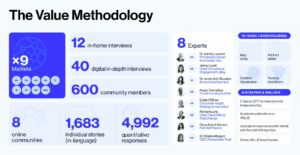
These perspectives were grounded in the 2026 edition of the VALUE: Relationships Under Duress report from C Space and our friends at Hall & Partners, a multi-market study spanning nine markets, in-home interviews, digital depth interviews, online communities and thousands of consumer stories and quantitative responses.
Together, the research revealed a deeper emotional reality behind the headlines: consumers are not simply spending differently; they are redesigning everyday life around pressure, restraint and constant trade-offs.
For brands, understanding this shift is only the beginning. The bigger question coming out of the Peer Connection session was: What does meaningful support actually look like now? How can brands move beyond sympathetic messaging and show up in ways that genuinely strengthen relationships under pressure?
To make this more actionable, we developed and outlined five relationship role models for brands right now:
1. The Anchor: From fleeting interaction to reliable relationships
Offering a sense of stability, reliability and calm in an unpredictable world.
In periods of constant uncertainty, people gravitate toward brands that feel dependable, consistent and emotionally grounding. The Anchor is not about dramatic gestures. It is about reducing anxiety through reliability, transparency and everyday reassurance when so much else feels unpredictable.
Amazon’s Second Chance Deal Days is one example of this in action, helping customers access trusted refurbished products at lower prices while also promoting sustainability through reuse and resale.
2. The Confidant: From one-way foghorn to dedicated dialogue
Holding safe, transparent spaces for honest dialogue, truly listening, and acknowledging shared experiences.
At a time when many people feel overlooked, frustrated or emotionally stretched, brands cannot afford to communicate from a distance. The Ordinary’s approach to pricing transparency reflects this well, openly explaining cost increases and giving customers clearer visibility into the decisions affecting them.
The Confidant creates space for more honest, two-way relationships by listening carefully and showing customers that their concerns are genuinely understood.
3. The Coach: From brand vs. customer to teammates in partnership
Gently guiding people through complex decisions and helping them make the most of what they have.
As financial pressure becomes part of everyday life, many consumers are looking for brands that feel less transactional and more supportive. Taco Bell’s budget feature is one example of this in action, helping customers plan meals around a spending limit and make choices that feel manageable within their budget. The Coach plays a practical and encouraging role, helping people navigate decisions with greater confidence, control and financial clarity.

Uncertainty is hitting the underserved hardest. For many Gen Z consumers, single parents, retirees and communities already living close to the edge, rising costs are not just creating financial pressure but reshaping what feels possible in everyday life.
4. The Relief: From daily grind to moments of relief
Stepping in to ease daily friction through practical support, flexibility and deeply considerate, accessible design.
In times when everyday life can feel emotionally and financially heavy, even small moments of ease can carry enormous value. Walmart’s expanded employee discount program reflects this well, extending grocery savings across everyday essentials to help families navigate rising living costs with a little more breathing room.
The Relief is about recognizing where pressure shows up in people’s lives and finding thoughtful ways to lighten the load, even briefly.
5. The Activist: From apathy to action
Being brave enough to take a stand or drive structural change where it actually impacts people’s lives.
The Activist turns concern into visible, useful action. It is the role brands play when they stop observing pressure and start challenging the systems, practices or frictions making life harder. IKEA’s initiatives around household essentials and home security show this in practice, supporting people with basic needs while recognizing that home is where financial pressure is often felt most deeply.
They are relationship behaviors. The brands that care most will move fluidly between these roles, adapting to what their customers need on any given day.
How can brands build resilience through stronger customer relationships?
If there is one core truth to hold onto, it’s that genuine, two-way relationships are our greatest source of brand resilience. When life feels incredibly hard to navigate, people look around to see who truly understands them, who has their back and who is standing with them in the storm.
Brands are part of that community, whether they realize it or not. The question is how deeply we are willing to commit to those relationships. In a world where the cost of living has fundamentally become the quality of living, the brands that last won’t just be the ones that promise value. They will be the ones that build consumer trust, prove value through action, warmth and consistency, every single time they show up.
Download the 2026 edition of the VALUE: Relationships Under Duress report to get closer to the real stories behind these five role models and see what it takes for brands to earn trust when consumers need support most.